
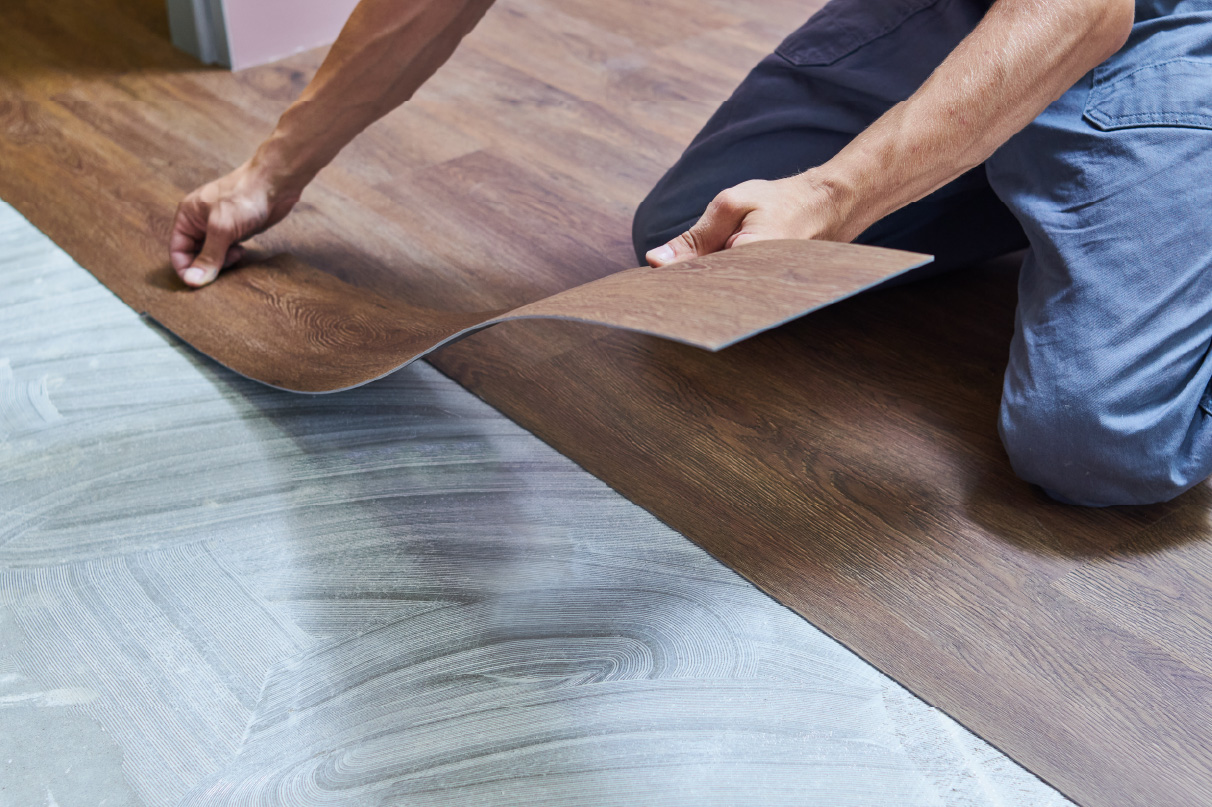
Updating your floors is one of the most rewarding home improvement projects you can take on. New flooring can brighten a room, refresh your home’s style, and make everyday living more enjoyable. Beyond appearance, the right flooring also needs to stand up to busy schedules, pets, children, and the unexpected messes that come with daily life. That’s why many homeowners are turning to vinyl as a practical solution that balances beauty with durability.
Modern vinyl flooring has evolved far beyond what many people remember from years ago. With realistic designs, impressive durability, and versatile installation options, it’s become a popular choice for kitchens, living rooms, bathrooms, bedrooms, and nearly every space in between. Whether you’re renovating one room or updating your entire home, understanding the installation process can help you make confident decisions from start to finish.
If you’re considering vinyl for your next flooring project, continue reading. Learning what happens before, during, and after installation can help you prepare for a smooth renovation and enjoy beautiful results for years to come.
What Is Vinyl Flooring?
Great flooring combines style with everyday performance. Vinyl flooring is a resilient flooring material designed to deliver durability, comfort, and attractive design in a wide variety of residential spaces.
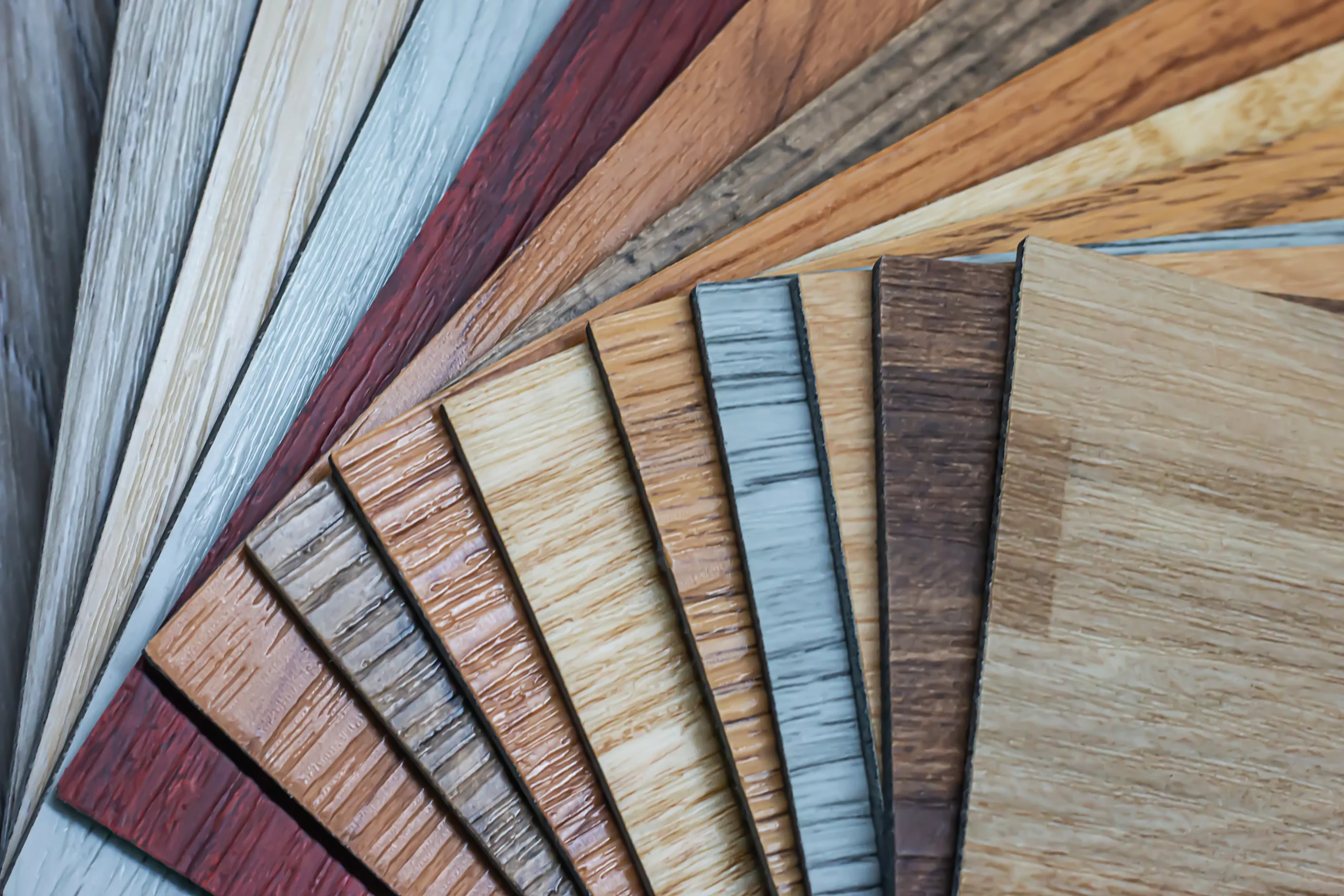
Thanks to modern manufacturing technology, today’s vinyl can realistically replicate the appearance and texture of natural materials such as hardwood, marble, ceramic, and stone while offering easy maintenance and dependable performance.
Its versatility makes vinyl a practical choice for households looking for flooring that complements both their interior style and their daily routine. Popular vinyl flooring options include:
- Luxury vinyl plank (LVP) for the realistic appearance of hardwood
- Vinyl tile flooring that resembles natural stone or ceramic tile
- Sheet vinyl for seamless coverage in larger spaces
- Waterproof vinyl flooring for moisture-prone rooms
Many homeowners appreciate vinyl because it offers:
- Realistic wood and stone visuals
- Comfortable underfoot feel
- Excellent durability for everyday living
- A wide variety of colors and styles
- Easy maintenance
- Installation options for different room layouts
With several product types available, homeowners can choose the flooring that best fits both their design goals and their lifestyle.
From Selection to Installation: Understanding the Vinyl Flooring Process
Choosing beautiful flooring is only the beginning. Every step, from selecting the right material to the final walkthrough, plays an important role in creating a finished floor that looks great and performs well for years to come.
1. Start With Your Lifestyle
The best flooring begins with understanding how you use your home. Before choosing a specific product, it’s helpful to think about how each room functions on a daily basis.
Consider questions such as:
- Is this a high-traffic area?
- Do pets frequently use this room?
- Will children be playing here?
- Is moisture a concern?
- Do you want the appearance of wood or stone?
Answering these questions helps narrow your options while making it easier to select flooring that complements your everyday routine. For many families, vinyl strikes an excellent balance between style and practicality.
2. Choose the Right Type of Vinyl
Not all vinyl products are exactly the same. Different rooms often benefit from different styles depending on appearance, durability, and installation preferences.
Some of the most common choices include:
- Luxury Vinyl Plank (LVP). For homeowners who love the appearance of hardwood, luxury vinyl plank (LVP) offers realistic wood visuals combined with excellent durability. Its wide variety of colors, plank sizes, and textures allows homeowners to create everything from rustic farmhouse interiors to sleek contemporary spaces.
- Vinyl Tile Flooring. If you prefer the look of natural stone or ceramic, vinyl tile flooring provides similar visual appeal while offering a softer, more comfortable walking surface. This option works well in kitchens, bathrooms, laundry rooms, and entryways.
- Sheet Vinyl. It creates large, continuous surfaces with fewer seams. Depending on the room and design goals, this may be an attractive option for homeowners looking for broad coverage and simplified maintenance.
Understanding the differences between these products allows you to select the flooring that best supports both your aesthetic preferences and practical needs.
3. Compare Your Options Carefully
Every flooring decision involves balancing appearance, performance, and lifestyle. Many homeowners spend time comparing vinyl plank vs. vinyl sheet before making a final decision.
While luxury vinyl plank creates individual boards that closely resemble hardwood flooring, sheet vinyl provides continuous coverage with minimal seams. Neither option is universally better.
Instead, the right choice depends on factors such as:
- Room size
- Design preferences
- Moisture exposure
- Installation goals
- Household activity
Working with experienced flooring professionals can help you evaluate these considerations before making your investment.
4. Measure Before Installation
Accurate planning creates smoother installations. Before any flooring is ordered, installers carefully measure each room to determine the amount of material required.
This planning stage also helps account for:
- Room dimensions
- Closets
- Hallways
- Doorways
- Architectural features
- Material waste allowances
Precise measurements help reduce unnecessary delays while allowing installers to prepare for a clean, efficient installation process.
5. Prepare the Subfloor
Beautiful flooring begins beneath the surface. Even the highest-quality vinyl performs best when installed over a properly prepared subfloor. Before installation begins, professionals inspect the existing surface for concerns such as:
- Uneven areas
- Moisture issues
- Loose materials
- Cracks or damage
- Surface debris
Depending on the condition of the subfloor, minor repairs or leveling may be recommended before laying the new flooring. Taking the time to prepare the foundation helps support the long-term appearance and performance of the finished floor.
6. Select the Right Waterproof Option
Some rooms experience more moisture than others. Bathrooms, kitchens, laundry rooms, mudrooms, and entryways often require flooring that can better withstand everyday spills and humidity. For these spaces, waterproof vinyl flooring is a popular solution because it combines attractive design with dependable moisture resistance.
Choosing waterproof products where appropriate allows homeowners to enjoy consistent flooring throughout more areas of the home while maintaining peace of mind during everyday use.
7. Professional Installation Makes a Difference
Installing flooring involves more than placing planks or sheets on the floor. Professional installers evaluate room layouts, transitions between spaces, expansion requirements, and finishing details that contribute to a polished final appearance.
During installation, they carefully:
- Lay out the flooring pattern
- Trim pieces for a precise fit
- Create smooth transitions between rooms
- Install molding and finishing pieces
- Inspect the completed floor for consistency
Attention to these details helps create flooring that looks cohesive while performing well throughout years of everyday living.
8. Complete the Installation
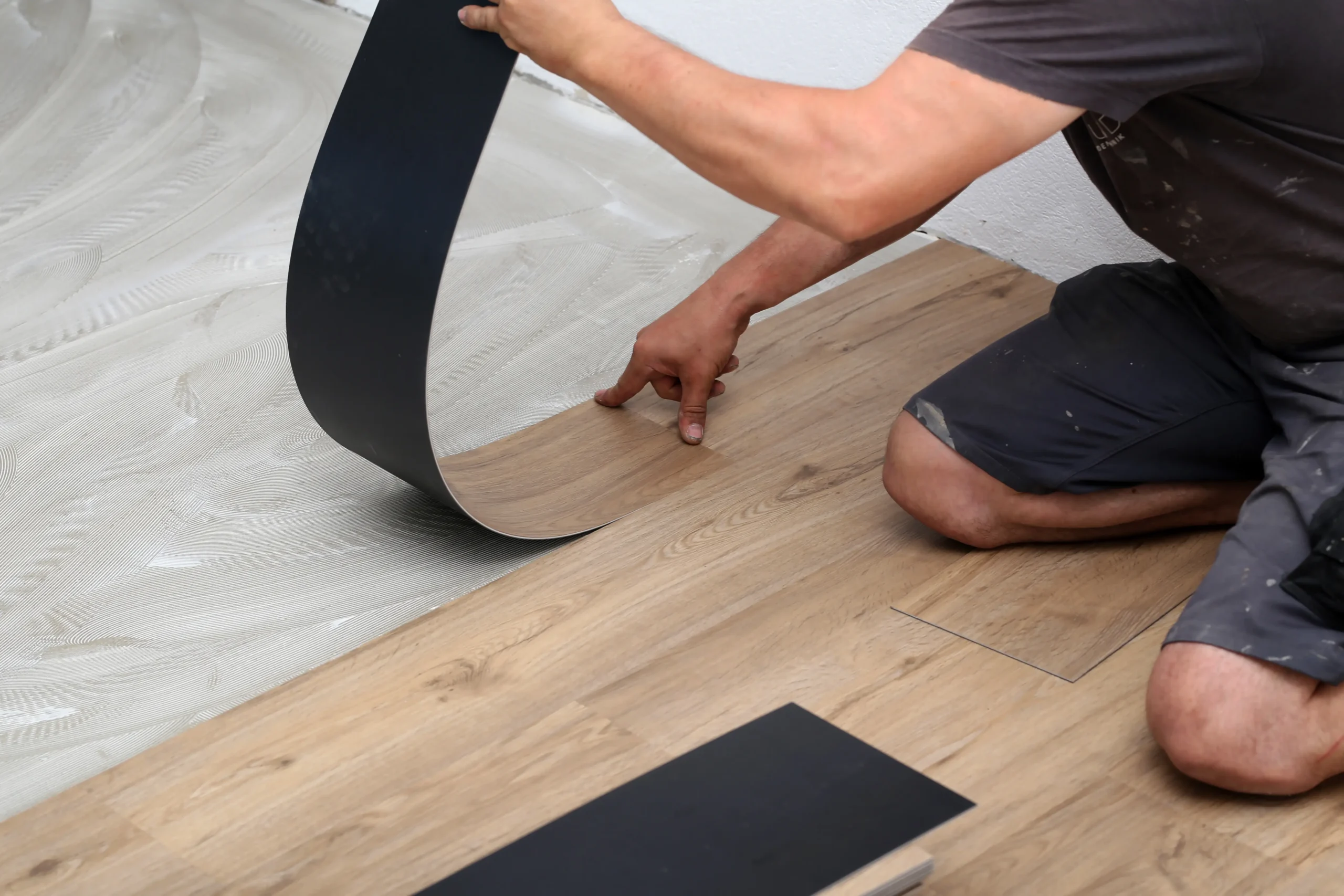
Once the flooring has been positioned, the final installation steps bring the entire project together. Depending on the product selected, installers may use a click-lock system, adhesive application, or another approved installation method recommended by the manufacturer.
During this stage, careful attention is given to creating clean seams, secure connections, and smooth transitions between rooms. After the flooring is in place, finishing details are completed, including:
- Installing transition strips
- Reattaching or replacing baseboards when needed
- Trimming around door frames
- Cleaning the installation area
- Performing a final quality inspection
These finishing touches help give the floor a polished appearance that complements the rest of your home.
Know What to Expect After Installation
A successful flooring project doesn’t end when the last plank or sheet is installed. After installation, your flooring professional may provide recommendations for when to move furniture back into the room and how to care for the new surface during its first few days.
Homeowners also have the opportunity to inspect the completed project, ask questions, and learn the best ways to protect their investment moving forward. Taking a few extra minutes to understand these recommendations can help your new floor continue looking its best for years to come.
Transform Your Home With Vinyl Flooring
Choosing vinyl means investing in flooring that’s designed to keep up with everyday life while delivering lasting style. From selecting the right product and preparing the subfloor to professional installation and simple maintenance, every step plays an important role in creating floors that look beautiful and perform well for years to come. Whether you’re drawn to the realistic appearance of LVP, the versatility of vinyl tile flooring, or the protection offered by waterproof vinyl flooring, there’s a solution for nearly every room in your home.
At Wadsworth Flooring & Remodeling in South Daytona, FL, you’ll find expert guidance through every stage of your flooring project, from product selection to professional installation. With a wide variety of premium vinyl options and a commitment to quality craftsmanship, you can create a space that reflects your style while standing up to the demands of everyday living.
Contact us today to book your consultation!