
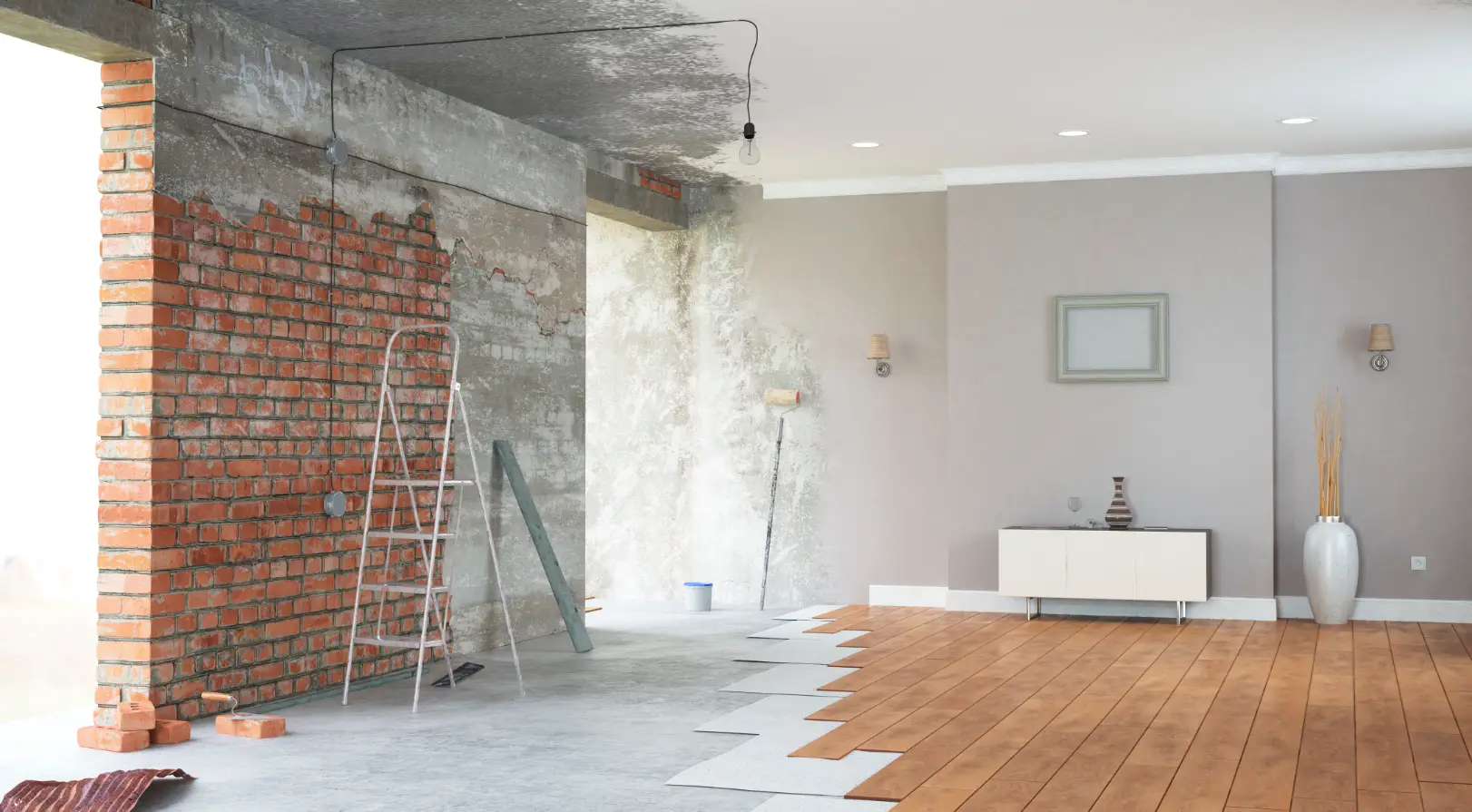
Water has a remarkable ability to find its way into places where it doesn’t belong. Whether caused by seasonal storms, plumbing failures, roof leaks, or overflowing appliances, even a relatively small amount of moisture can affect much more than what appears on the surface.
Floors may begin to warp, drywall can soften, and hidden moisture beneath finished materials may quietly create larger structural concerns over time. While it may be tempting to repair only the most visible damage, comprehensive floor repairs often deliver far better long-term results by addressing both flooring and surrounding walls as part of one coordinated restoration project.
Rather than treating every damaged area separately, restoring the entire space together creates a more seamless finish while reducing the chance of future complications. If your home has recently experienced water intrusion, keep reading to discover why a coordinated restoration plan can protect your investment while helping your home look and perform its very best.
What Is Floor Repair?
Floor repair involves much more than replacing damaged flooring materials. Following water intrusion, professional floor repair addresses the visible flooring, the underlying structural components, and any surrounding materials affected by moisture. A successful restoration project focuses on correcting the source of the problem while restoring both function and appearance.
At Wadsworth Flooring & Remodeling, every flooring project is managed from design through final installation by an experienced in-house team. Rather than coordinating multiple companies, homeowners benefit from one streamlined process that includes every stage of the project.
When water damage is involved, repairs often extend beyond the finished flooring to include subfloors, drywall, trim, and other structural components that may also require attention.
Looking Beyond the Surface
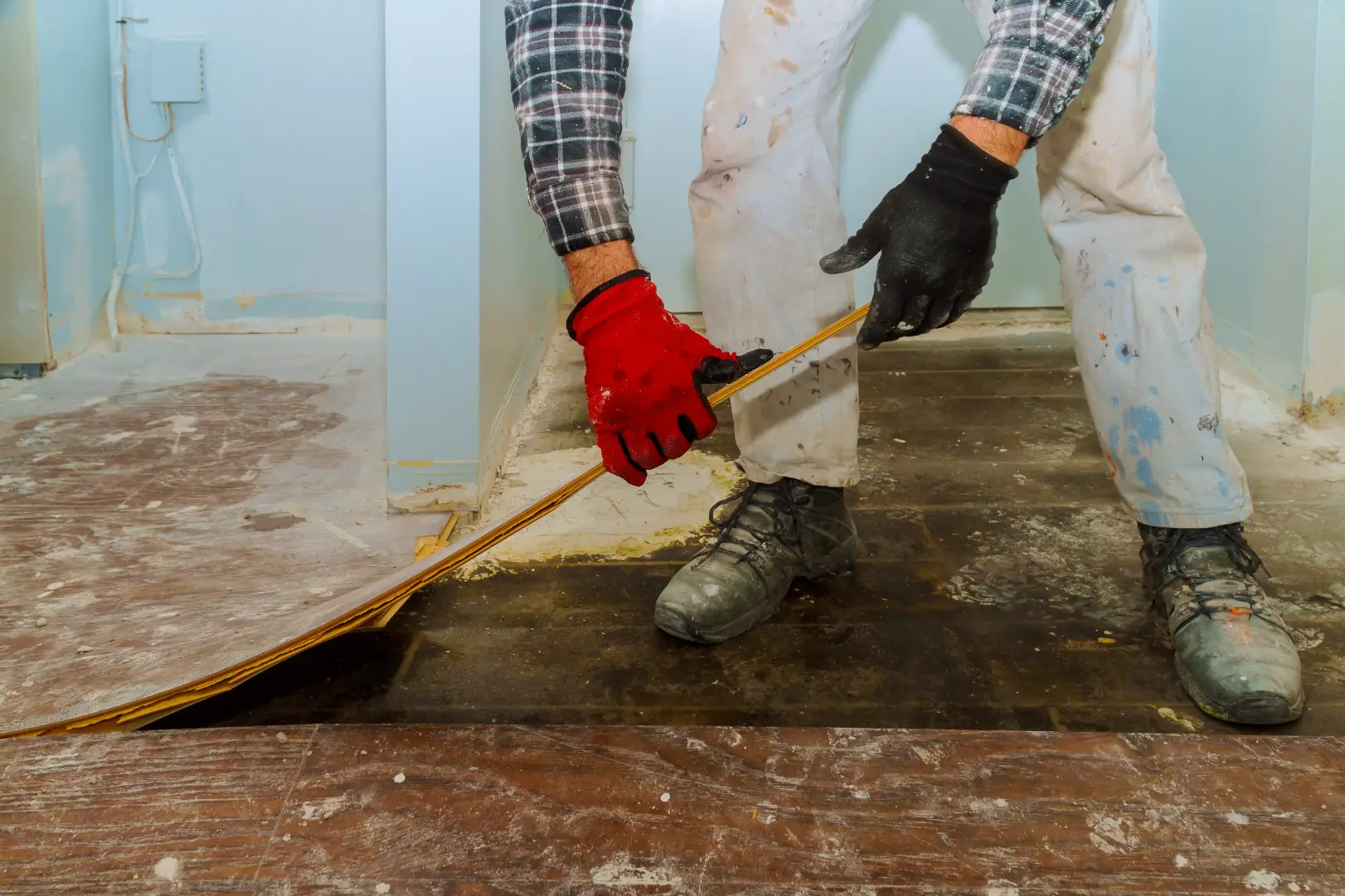
Water damage rarely affects just one material. Although warped flooring often attracts the most attention, moisture frequently migrates beneath finished surfaces and into surrounding walls. Restoring only the flooring while overlooking hidden damage can leave problems unresolved.
A coordinated restoration project evaluates every affected area before rebuilding begins. This comprehensive approach often includes:
- Flooring evaluation
- Moisture testing
- Wall inspection
- Subfloor assessment
- Trim evaluation
- Drywall inspection
- Structural review
By viewing the affected room as one connected system, homeowners receive repairs designed for lasting performance rather than temporary cosmetic improvement.
Why Coordination Matters
Successful restoration depends on thoughtful planning rather than isolated repairs.
1. Hidden Moisture Doesn’t Stay Hidden
Water follows the path of least resistance. Moisture that reaches flooring often seeps beneath finished surfaces before spreading into subfloors, wall cavities, insulation, and baseboards. Even after visible water disappears, trapped moisture may remain behind.
Professional water damage floor repair begins with identifying these hidden concerns before replacement materials are installed. Specialized inspection techniques help determine whether additional drying or restoration is needed before reconstruction begins. Addressing moisture early helps create a stronger foundation for every repair that follows.
2. Floors and Walls Work Together
Your flooring and walls share more than a visual connection. Baseboards, trim, drywall, flooring materials, and structural framing all intersect throughout the room. Damage affecting one component often extends into another.
For example:
- Swollen flooring may require baseboard removal.
- Wet drywall may extend below damaged trim.
- Moisture beneath flooring may affect insulation.
- Leaks can weaken adjacent framing.
Treating the entire room as one coordinated project creates smoother transitions and more consistent craftsmanship from beginning to end.
3. Better Project Management
Home restoration often becomes stressful when multiple contractors work independently. Scheduling different companies for demolition, flooring, drywall, trim, painting, and finish work may create delays, communication challenges, and inconsistent results.
Working with a single home restoration contractor simplifies the entire experience. Instead of coordinating numerous appointments yourself, one experienced team oversees:
- Design planning
- Material selection
- Demolition
- Flooring installation
- Wall restoration
- Finishing details
- Project completion
This streamlined approach reduces unnecessary interruptions while creating a more cohesive final result.
Strong Foundations Matter
Beautiful flooring depends on what lies beneath it.
1. Subfloor Repair
Water frequently reaches the structural layers below finished flooring. If moisture remains trapped beneath hardwood, laminate, vinyl, or tile, the subfloor may begin deteriorating long before visible warning signs appear.
Professional subfloor repair evaluates:
- Structural stability
- Moisture content
- Material integrity
- Areas requiring replacement
Replacing surface flooring without correcting underlying damage may shorten the lifespan of the new installation. Restoring the foundation first creates greater long-term durability for every flooring material installed above it.
2. Flooring Restoration vs. Replacement
Not every water-damaged floor requires complete replacement. Depending on the severity of the damage, professional flooring restoration may preserve portions of the existing floor while replacing only materials that have been permanently affected.
Factors influencing this decision include:
- Type of flooring
- Length of moisture exposure
- Extent of warping
- Structural condition
- Mold development
A professional assessment allows homeowners to understand whether restoration or replacement offers the most practical solution.
Restoring the Walls
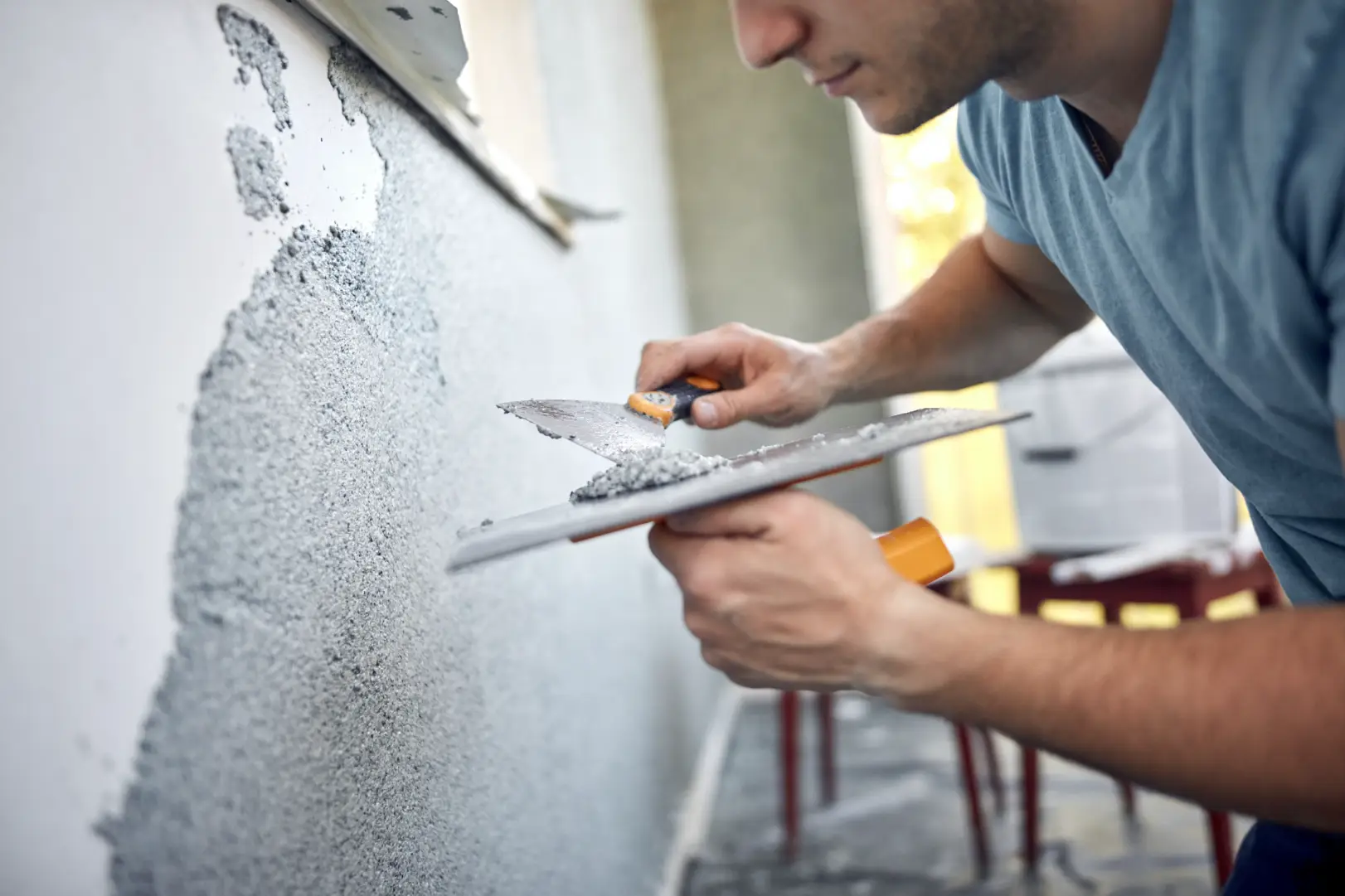
Floors rarely tell the entire story after water intrusion. Moisture often travels upward into drywall, insulation, trim, and framing. Even if walls appear relatively unaffected from the outside, hidden water can weaken materials over time if not properly addressed.
Professional drywall repair becomes an important part of a coordinated restoration project because damaged wall materials can compromise both appearance and structural integrity. Depending on the extent of the damage, repairs may include:
- Removing moisture-damaged drywall
- Replacing insulation where necessary
- Repairing framing components
- Installing new drywall panels
- Matching textures and finishes
By restoring walls alongside flooring, homeowners achieve a more seamless result that looks original rather than pieced together.
When Sheetrock Needs Replacement
Not all drywall can be saved. When water exposure is prolonged or extensive, sheetrock replacement may be the safest and most effective option. Removing compromised materials allows the affected area to dry completely before reconstruction begins.
Replacing damaged sheetrock also provides an opportunity to inspect the wall cavity for hidden concerns that may otherwise remain unnoticed until they become more significant. This proactive approach contributes to a healthier indoor environment while supporting the longevity of the finished remodel.
Protecting Against Future Problems
Water damage restoration isn’t only about repairing today’s damage—it’s also about reducing tomorrow’s risks.
1. Preventing Mold Growth
One of the greatest concerns following water intrusion is hidden moisture that creates conditions favorable for mold growth. Addressing wet materials promptly and allowing every affected component to dry thoroughly before rebuilding helps support healthier indoor air quality.
Many homeowners also choose moisture-resistant materials and mold prevention flooring products during reconstruction to provide additional protection against future humidity or minor water exposure.
Although no flooring is completely waterproof in every situation, selecting appropriate materials can improve long-term durability in moisture-prone areas.
2. Planning for Florida Weather
Living in Florida means preparing for heavy rain, tropical storms, and high humidity throughout much of the year. Comprehensive water damage restoration in Florida often focuses not only on repairing existing damage but also on making thoughtful upgrades that improve resilience moving forward.
Homeowners may choose:
- Moisture-resistant flooring
- Improved transitions
- Durable baseboards
- Better ventilation
- Updated waterproofing methods
These improvements help strengthen the home against future seasonal challenges while maintaining an attractive appearance.
Bring Every Detail Back Together
Recovering from water damage is an opportunity to rebuild with confidence and craftsmanship. At Wadsworth Flooring & Remodeling in South Daytona, FL, homeowners receive comprehensive restoration solutions that bring flooring, walls, and finishing details together under one experienced team.
Whether you’re recovering from storm damage, a plumbing leak, or another unexpected event, every project is thoughtfully managed to create a home that feels beautiful, functional, and welcoming once again.
Contact us today to schedule a FREE consultation for your floor repairs!